Why This Work Exists
I graduated with a degree in Broadcast Communication in the Philippines, a field built on storytelling, audience awareness, and the mechanics of persuasion.
Shawie Yulo
2/11/20263 min read
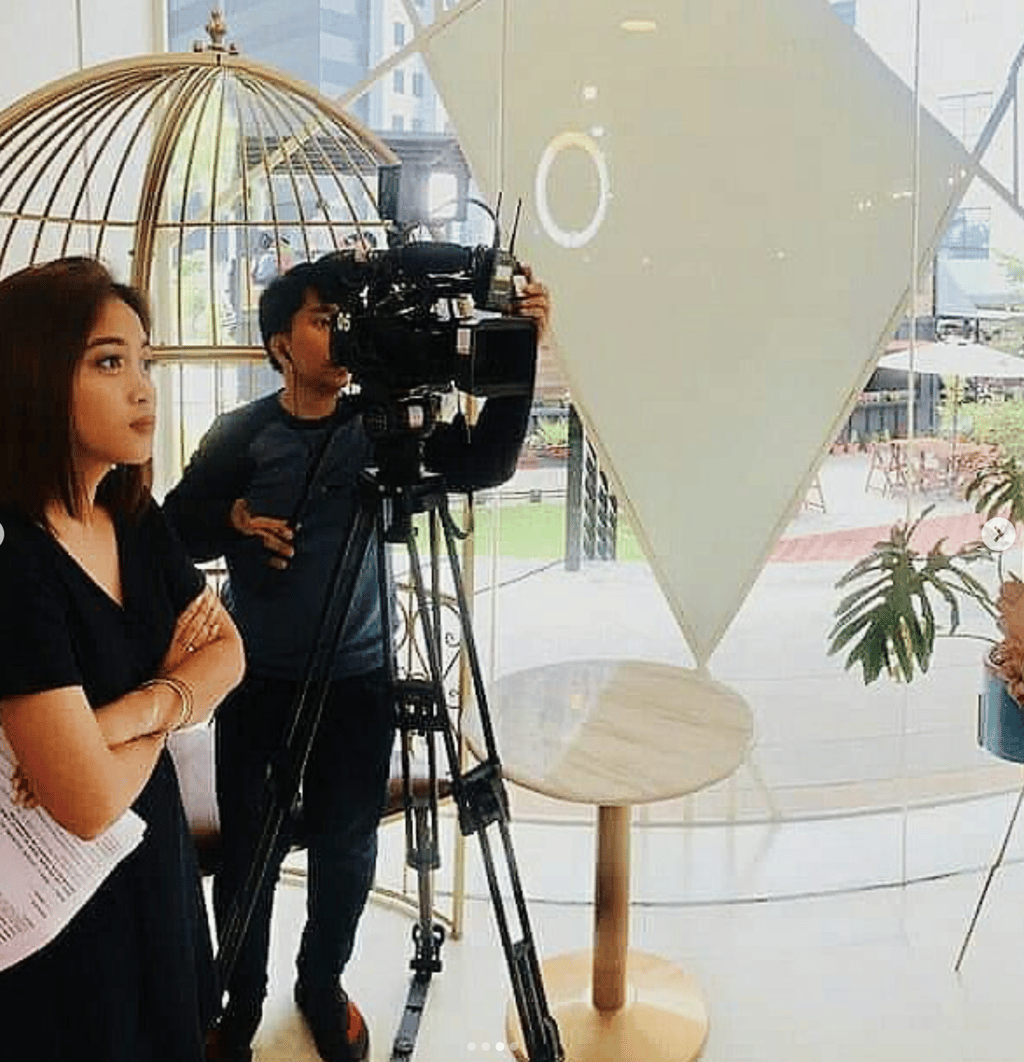
On paper, the path seemed clear. Media, communication and public-facing work.
In practice, it felt different.
The daily commute alone could take hours. The rhythm of the industry was loud and constant, and while I understood persuasion academically, I was uneasy about performing it for a living. I did not want a career built on convincing people who were unsure. I wanted efficiency. I wanted autonomy. And I wanted to earn without pressure being the primary strategy.
So I stepped away from the conventional route and began experimenting.


I worked in customer relations. I explored the travel industry. I moved into sales. Different sectors, different structures, but I carried the same internal rule each time: no hard selling. If I succeeded, it would be because people trusted me, not because I cornered them into a decision.
At first, that rule felt impractical. Sales environments are rarely built around subtlety. But I treated it as an experiment. Instead of aggressive tactics, I focused on the sensitivity of my messaging, positioning, and consistency on social media. Over time, I built a client base of more than one hundred individuals without relying on forceful persuasion.
When I eventually left my formal role in the insurance industry, I expected the inquiries to decline. They did not. Clients continued reaching out. Referrals continued circulating. The trust remained, even without constant promotion.
That was my first real lesson in perception. Trust, when built deliberately, compounds.
At the same time, I was running a retail business. Operating a physical business leaves little room for vague strategy. Margins are concrete. Systems either function or they do not. It was during this period that my interest in branding deepened, and not branding as visual identity alone, but branding as behavioral structure.
I began studying platforms more closely. I built websites. I tested messaging frameworks. I entered global freelancing marketplaces. I observed professionals locally and abroad. What stood out was not who had the most visibility, but who seemed to attract demand without urgency.


In industries like dermatology and aesthetic medicine, I noticed a recurring pattern. Highly skilled professionals were frequently clarifying themselves. Explaining safety protocols, credentials, results, and pricing repeatedly. Meanwhile, other clinics, not necessarily more experienced, appeared to move patients through the decision process with less friction.
The difference was not competence. It was perception.
Over time, my focus narrowed to hesitation, which is the psychological pause between interest and action. Before someone books, before they inquire, before they commit, they evaluate signals like tone, structure and emotional safety.
The question running quietly beneath the surface is rarely, “Are they qualified?” It is more of, “Does this feel safe enough for me?”
The more I studied that gap between expertise and decision, the more I recognized it as structural rather than promotional. Many professionals are excellent at what they do, but the way their expertise is presented does not immediately communicate certainty. I often think about how useful this clarity would have been earlier in my own entrepreneurial journey, especially during the periods of uncertainty when I was navigating different industries and building systems from scratch. A structured understanding of perception would have shortened the trial-and-error phase.
So I chose to build that structure intentionally.
Today, my work centers on designing Trust Signal Systems™ that translate real expertise into perceived authority. The aim is not louder marketing, but alignment and ensuring that what a professional truly offers is immediately felt rather than slowly proven.
When perception and reality match, persuasion becomes unnecessary. Decisions feel less pressured and more logical. Growth becomes a byproduct of clarity.
For me, this work has never been about visibility alone. It has been about reducing hesitation, thoughtfully, systematically, and before the sales conversation ever begins.
If you see value in that level of clarity, you’re welcome to subscribe for deeper behavioral insights tailored to medical and aesthetic brands. And when you’re ready to translate hesitation into confirmed appointments, my calendar is open for structured, strategic conversations.