The Real Reason Your Aesthetic Website Isn’t Converting
Your credentials are real. Your outcomes are strong. So why does your website feel like it’s working against you?
Shawie Yulo
2/12/20264 min read

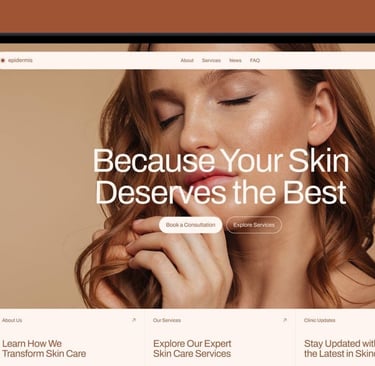
Here’s the uncomfortable truth: most aesthetic clinic websites look polished but feel unsure. They show pretty skin. They list procedures. They mention “advanced technology” and “personalized care.” But they don’t remove hesitation, and hesitation is where revenue dies.
The average website conversion rate across industries sits around 2–5% (WordStream, 2023). Healthcare often performs slightly higher due to intent-driven traffic—but only when brand messaging is strong. Meanwhile, research from the Stanford Web Credibility Project found that 75% of users judge a business’s credibility based on its website design and structure alone.
Translation? Patients decide if they trust you before they even read your qualifications, and trust, not technology, is what makes someone book.
The Real Reason Most Clinic Websites Don’t Convert
Most clinic websites are designed to inform, but not to reassure, and that distinction matters.
When a patient lands on your website, she isn’t thinking about laser specifications or technical features. She’s thinking, “Will this go wrong? Will I look unnatural? Will this hurt? Will I regret spending this money?”
Every aesthetic decision carries perceived risk, and her mind is scanning for signs of safety. Yet many websites function like digital brochures: they list services, highlight technology, and showcase polished images, but rarely address the emotional concerns behind the decision.
Research published in the Journal of Medical Internet Research shows that healthcare choices are heavily influenced by perceived transparency and not just expertise. When messaging lacks clear guidance and reassurance, uncertainty increases, and uncertain, anxious patients don’t click “Book Now.” They exit and forget about you completely.
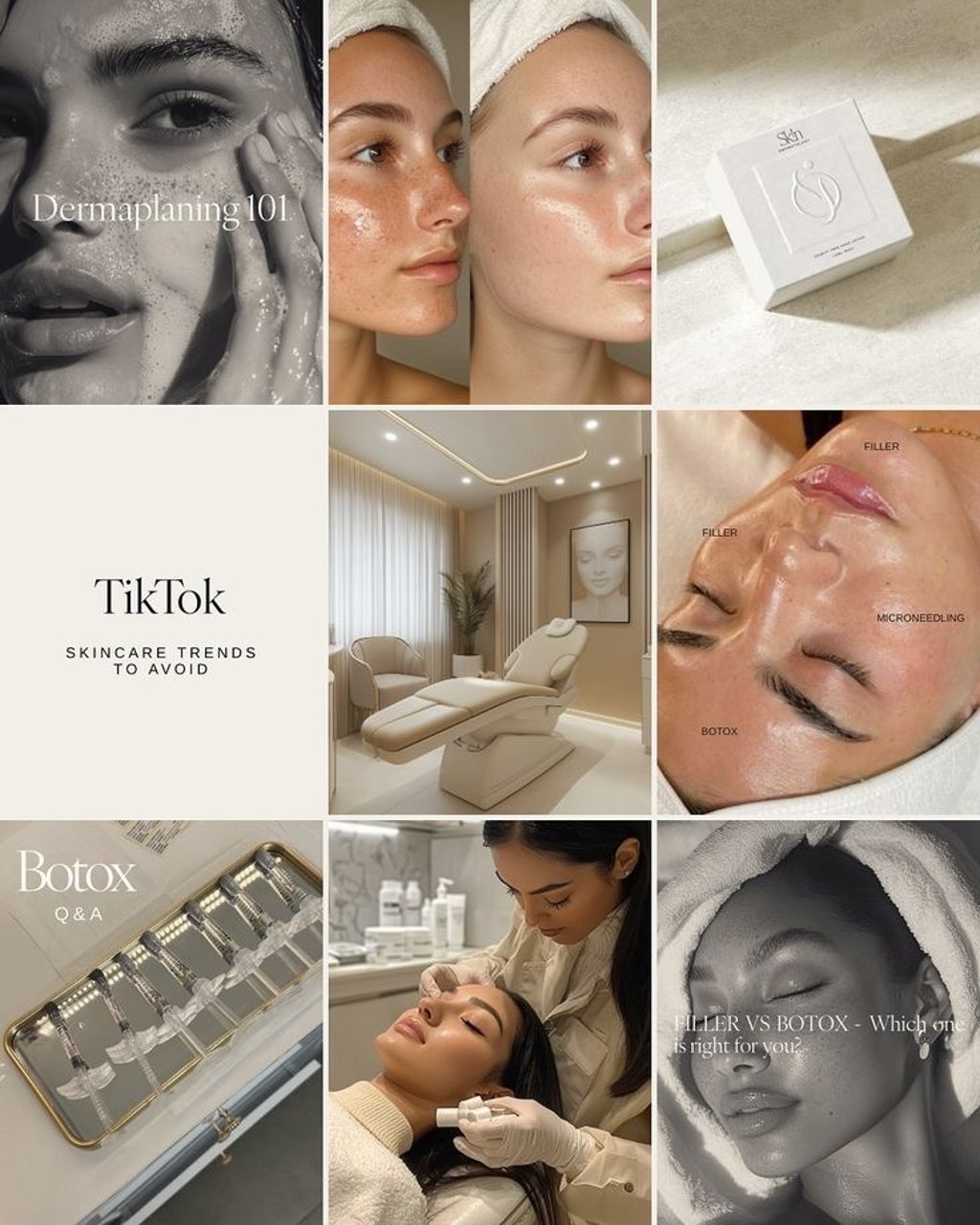
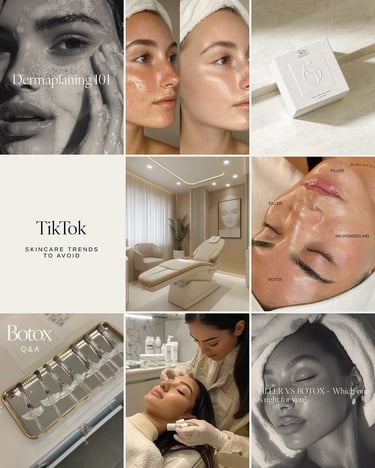
The "Pretty" But Passive Website Problem
Doctor-led clinics often operate with the belief that their credentials should speak for themselves. And in a clinical setting, they do. But online, they don’t carry the same weight on their own. A website isn’t a medical journal, it’s a psychological space where decisions are made quickly and emotionally before they are justified logically.
Research from Nielsen Norman Group shows that users scan web pages in under 15 seconds. In that short window, a patient is trying to understand four things: Who is this for? What problem does it solve? Why is it safe? And what happens next? If those answers aren’t immediately clear, she doesn’t reject you, she mentally files you under “maybe later.” And “maybe later” is where conversions go to stall.
Many clinic websites unintentionally create this hesitation. They hide pricing structures entirely, rely on vague phrases like “state-of-the-art,” bury the booking button, or fail to outline a clear consultation pathway. That’s not exclusivity. That’s friction, and according to research from the Baymard Institute, unnecessary friction and extra steps can reduce conversions by 20–30%.
Patients Are Not Just Buying Botox
They are buying relief from self-consciousness.
They are buying confidence for a wedding. They are buying comfort in their own reflection. They are buying a solution to something they’re too embarrassed to talk about publicly.
But if your website sounds like a brochure written for other doctors, you lose the emotional thread.
Aesthetic patients need to know the answer to these three questions:
What exactly will happen?
What are my options?
Is this the right clinic for someone like me?
If your messaging doesn’t answer those, conversion drops. Here’s the irony: many doctor-led clinics are deeply ethical, highly skilled, and conservative in approach, but their website accidentally feels vague and promotional instead of reassuring and structured. That gap costs bookings.
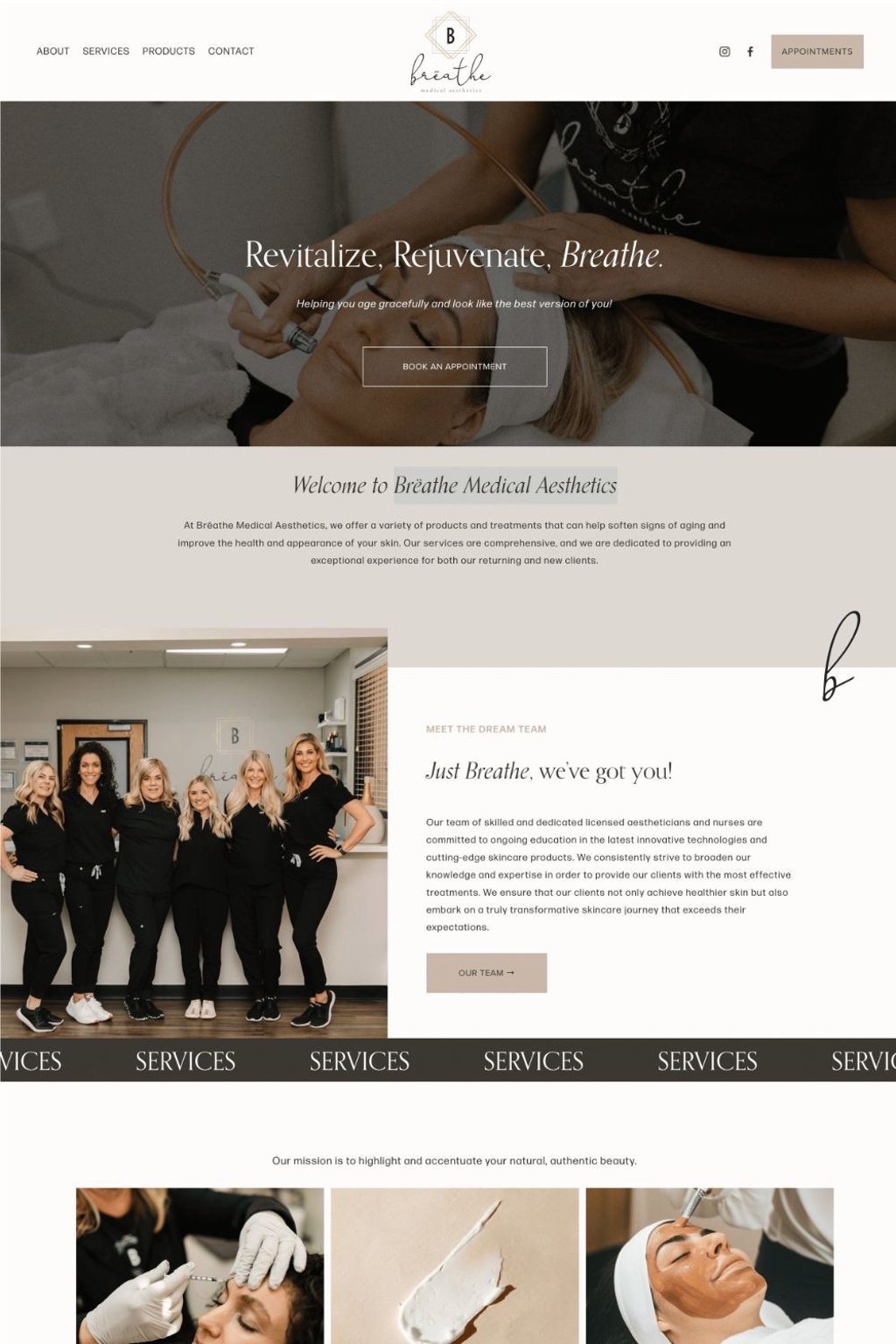
The Solution Isn't Louder Marketing
High-converting clinic websites tend to do three things differently:
First, they position the doctor clearly. The doctor isn’t hidden in an “About” tab or presented like a résumé. Instead, they’re introduced as the authority with a clear philosophy and a defined approach. Patients don’t just trust degrees; they trust doctors who communicate how and why they practice the way they do.
Second, they guide the booking journey. Rather than a vague “Contact Us” button, they outline what happens next: "Step 1, initial consultation. Step 2, customized plan. Step 3, treatment." When patients know what to expect, the process feels predictable and predictability reduces anxiety. Reduced anxiety increases bookings.
Third, they address hesitation directly. They answer the questions most clinics avoid: Who is this not for? What results are realistic? What are the risks?
Transparency signals integrity, and perceived integrity builds trust which ultimately drives revenue.
Why This Matters Financially
Let’s look at this practically. If your website receives 1,000 visitors per month and converts at 2%, that results in 20 bookings. Increase that conversion rate to 5%, and you’re looking at 50 bookings without increasing your ad spend, your team, or your operating hours.
Now consider the numbers. If your average treatment value is $250, that 3% lift in conversion doesn’t just mean “more bookings.” It means an additional 30 treatments per month. That’s roughly $7,500 in additional monthly revenue generated from the same traffic you’re already paying for or working to attract.
Over a quarter, that compounds. Over a year, it becomes significant, and it didn’t come from going viral or chasing trends. It came from reducing friction and making sure that your messaging is clear.
When small improvements are applied consistently, it create outsized business results.
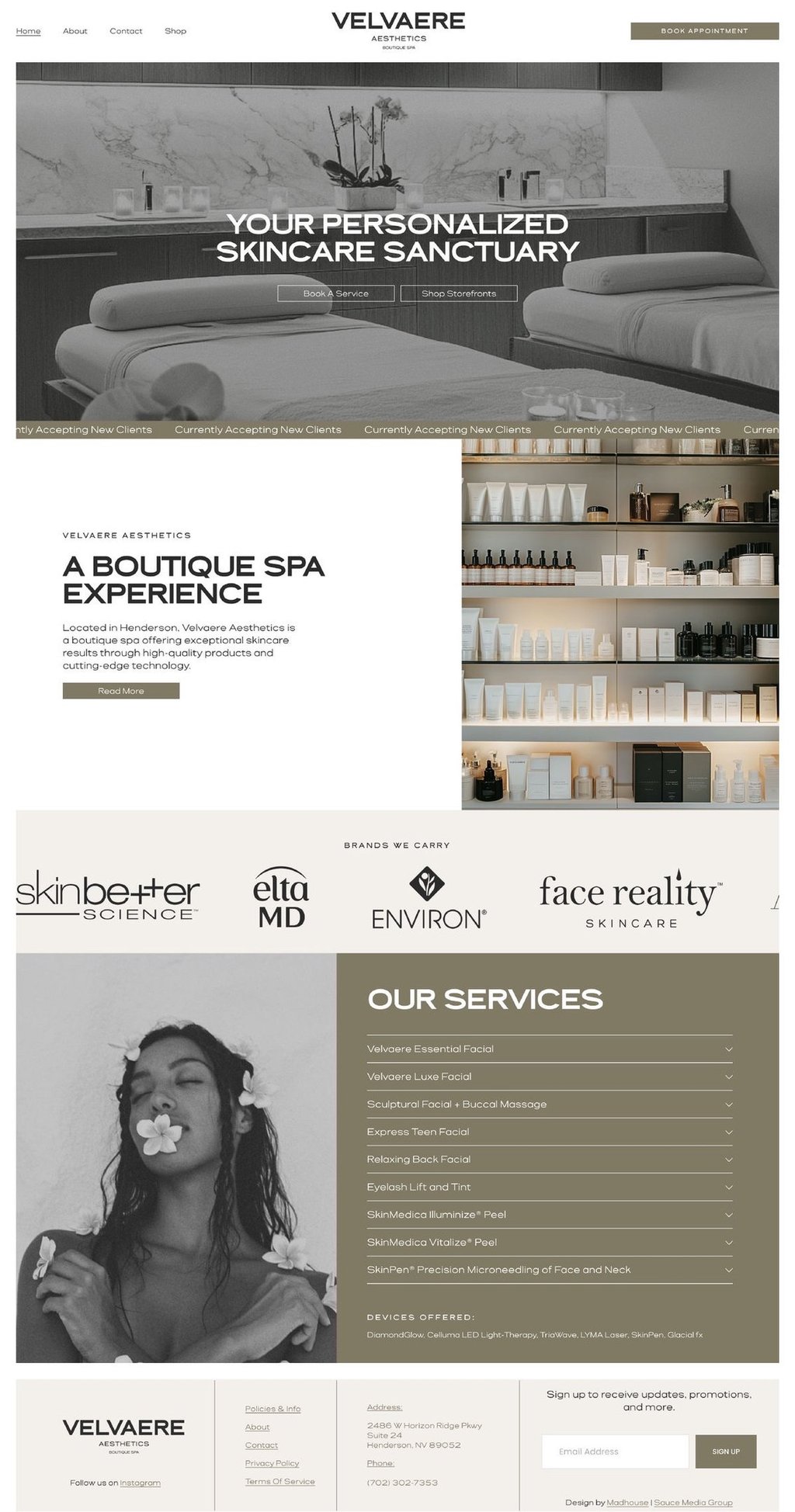
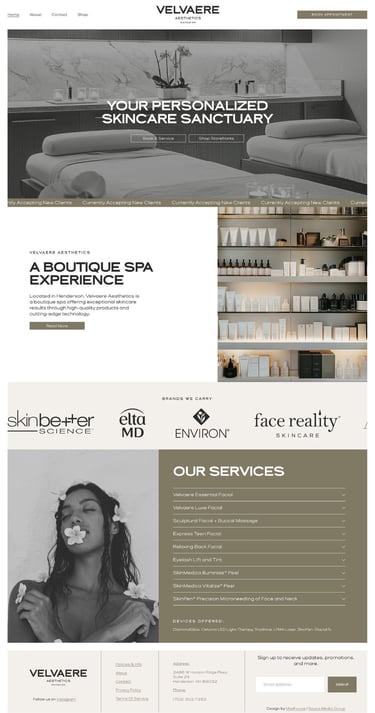
A Website Should Not Just Look Good
When a patient finishes reading your homepage, the reaction shouldn’t be, “That’s interesting.” It should be, “This feels safe. I understand what happens next.”
That shift is where conversion truly begins. Because patients don’t book when they’re mildly impressed. They book when they feel clear, guided, and confident in the next step.
Many clinics overlook hesitation and blame the market, the algorithm, or seasonality. The smarter ones investigate it. They treat hesitation as data. If you’re in that second group, you can subscribe for deeper behavioral insights tailored to medical brands. But when you’re ready to turn hesitation into confirmed appointments, my calendar is open for strategic conversations.